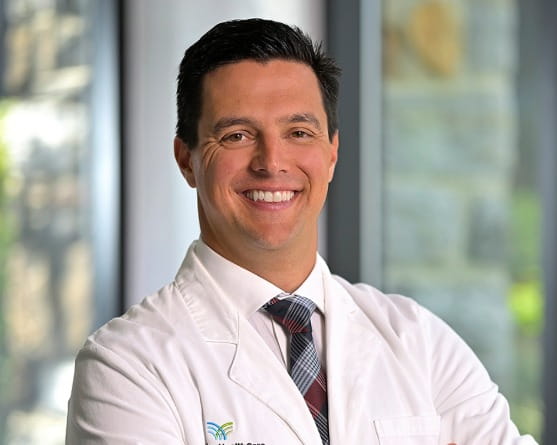
Alfonso J. Arevalo DO
Sports Orthopaedic Surgeon
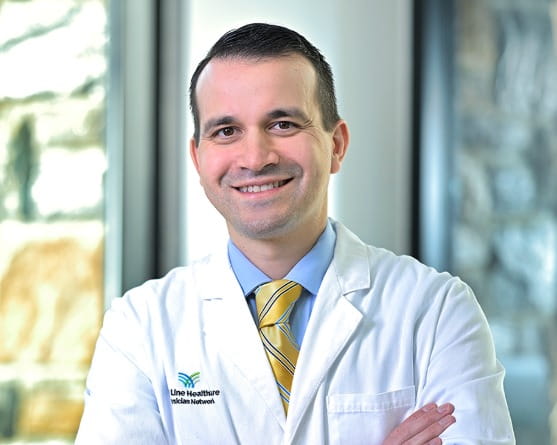
Comprehensive orthopaedic solutions
At Main Line Health, your mobility is at the center of everything we do. Whether you're preparing for surgery, recovering from an injury or exploring non-surgical or surgical treatments, our orthopaedic team provides individualized care designed to help you move with confidence.
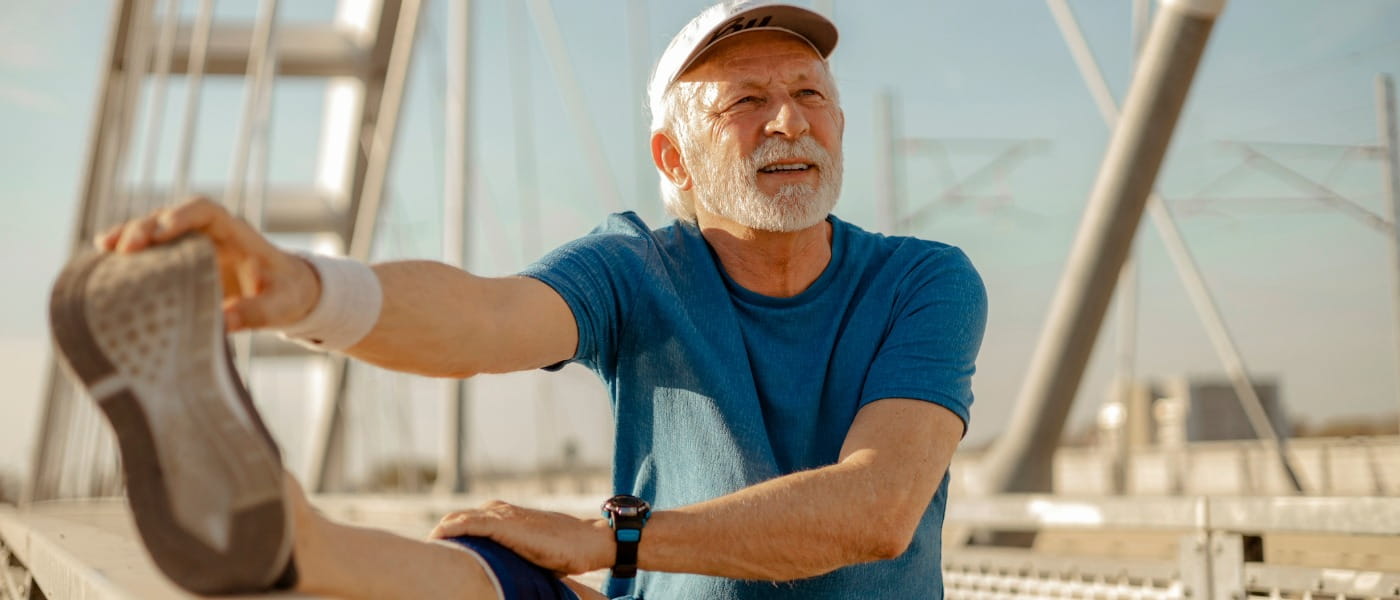
Athletes of every level, including novices, weekend warriors, high school and collegiate competitors and professional athletes, face unique physical demands. Seeing a sports medicine specialist ensures that your diagnosis and treatment plan are tailored to the specific biomechanics and performance expectations of active individuals.
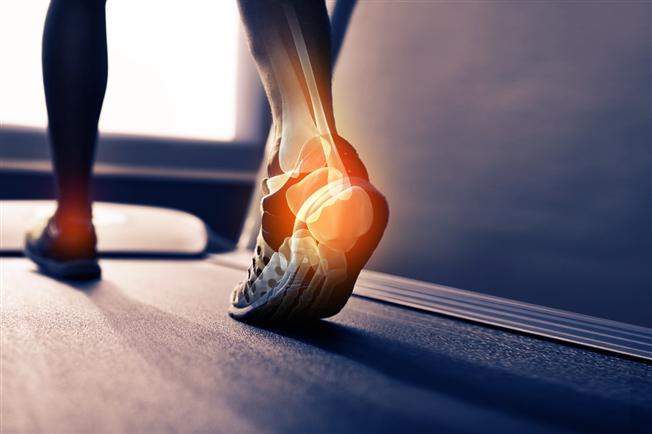
Foot and ankle issues can impact every step you take. Because these joints are highly complex and bear your full body weight, even mild discomfort can affect balance, gait and overall mobility.
Seeing an orthopaedic surgeon who specializes in foot and ankle care ensures you receive expert evaluation and treatment tailored to this intricate area of the body. Our team specializes in:
A foot and ankle specialist can provide advanced non-surgical treatments as well as surgical solutions when necessary, helping you move comfortably and return to the activities you enjoy.
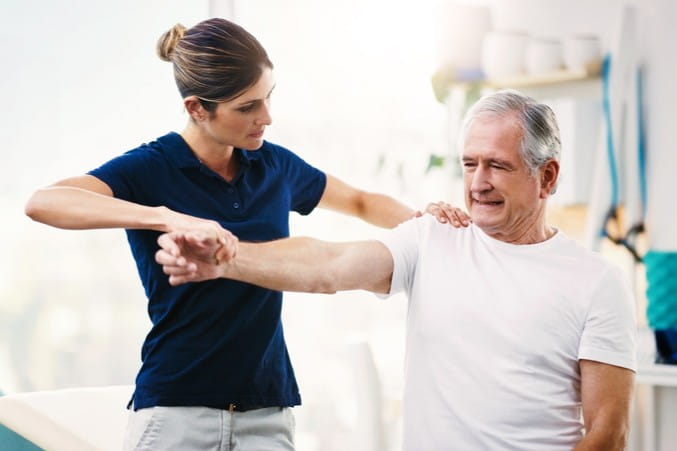
If surgery is recommended, preparing your body beforehand can make a meaningful difference in your recovery. Pre-surgical physical rehab helps build strength, improve flexibility and optimize your range of motion before the procedure.
Pre-surgical rehab can help you:
By entering surgery stronger and more conditioned, you support a smoother recovery process and better post operative mobility.
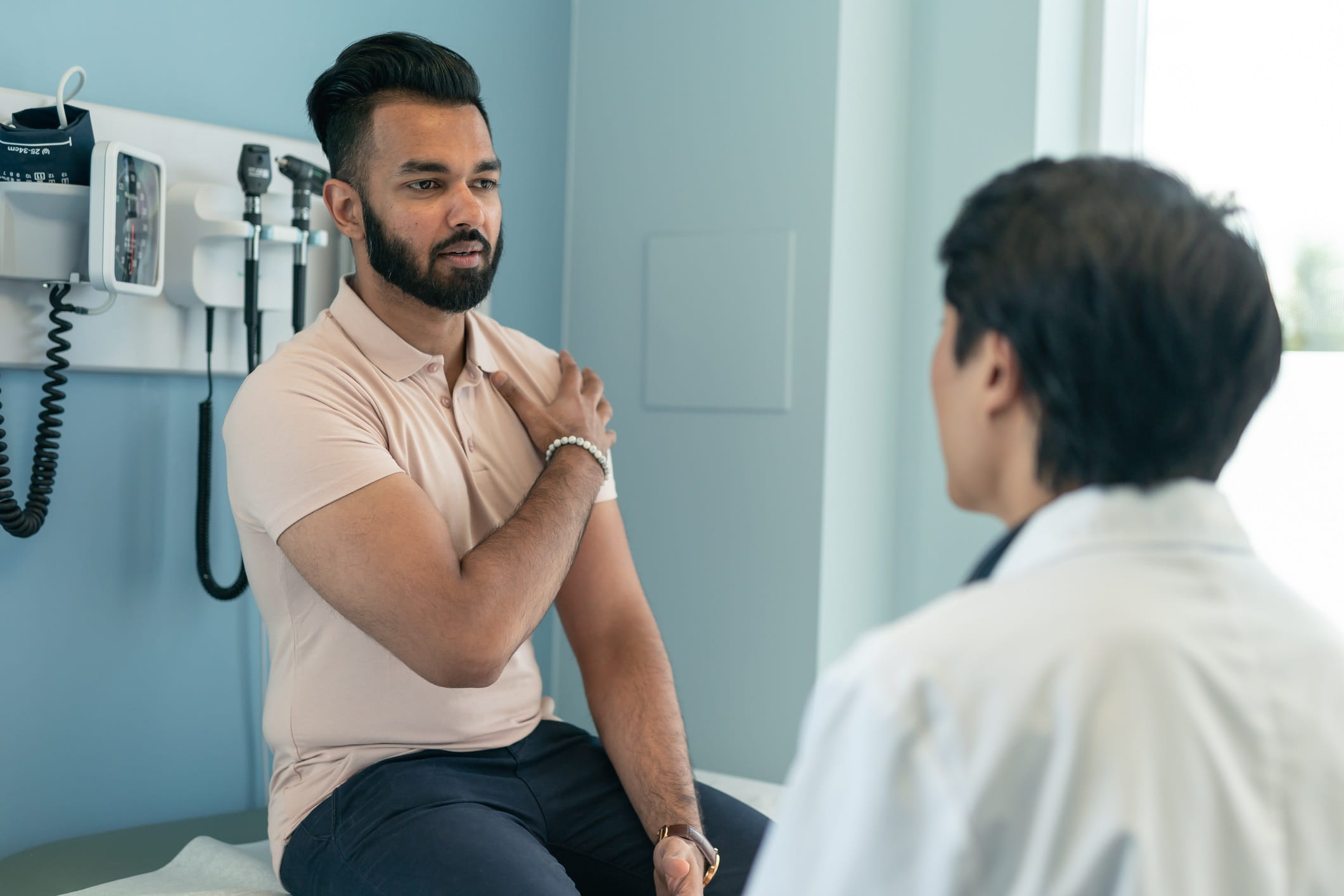
Many orthopaedic conditions can be managed effectively without surgery. Our team offers a variety of non-surgical treatments designed to help you regain movement, increase comfort and restore functional ability.
Non-surgical options may include:
These evidence-based approaches help you return to your daily activities with improved movement and better joint support.
At Main Line Health, we believe every patient deserves care that’s tailored to their goals, lifestyle and level of activity. Whether you’re an athlete, an active adult or someone simply looking to move with greater ease, our orthopaedic specialists are here to guide you each step of the way in convenient locations in Bryn Mawr, Exton, Glen Mills, King of Prussia, Media, Newtown Square, Paoli and Wynnewood, PA.
Contact us today to schedule a consultation and take the next step toward improved movement and long-term joint health.

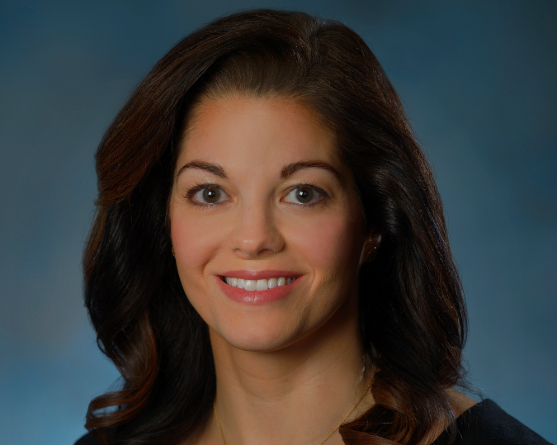
Orthopaedic surgeon Blair Ashley, MD, breaks down how she guides patients through joint pain, weighing every option to help them get back to what they love.
Read about why getting a second opinion for a colorectal cancer diagnosis can change your treatment options and chances of survival from this disease.
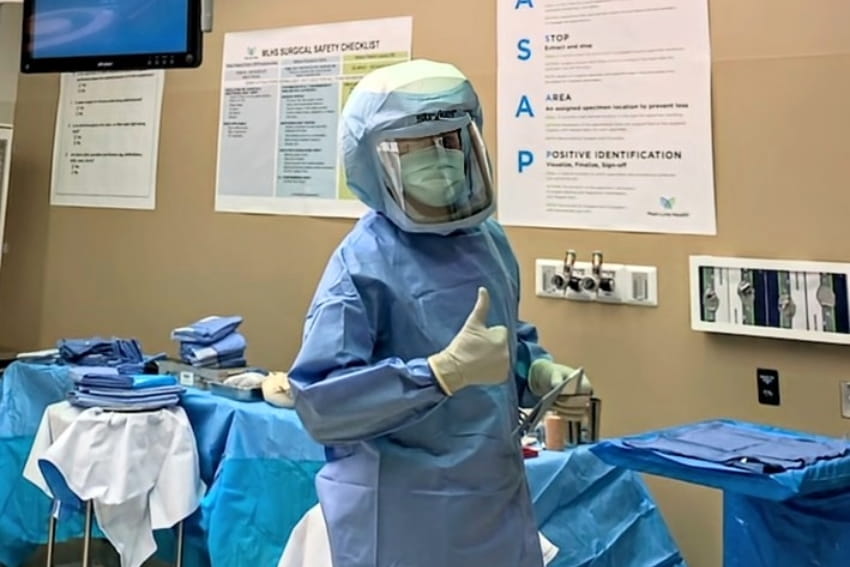
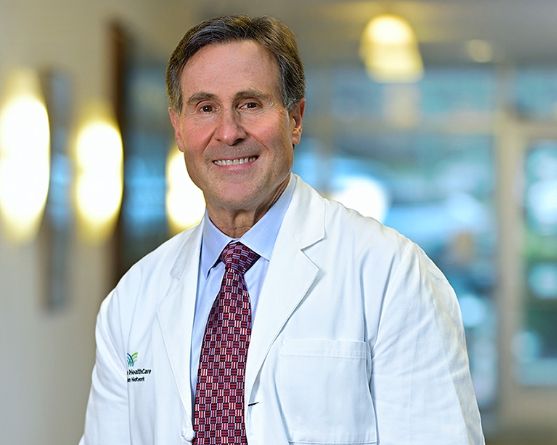
David Rubenstein, MD, an experienced orthopedic surgeon at Main Line Health, shares his passion for sports medicine.
These reasons to go to rehabilitation might surprise you — but they will also benefit your mind and body. Learn about these benefits of rehab.