Eating to reduce your breast cancer risk
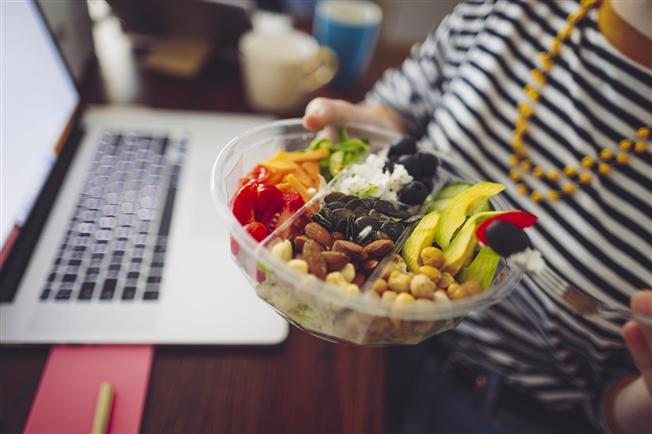
You likely know that what you eat can impact your risk for health issues like heart disease or stroke, but did you know that diet can also impact your cancer risk?
No cancer is completely cured or caused by your diet. However, there is a benefit to good nutrition and healthy eating in managing that cancer risk. Unlike your family history, gender, race or genetics, your diet is a cancer risk factor that's within your control to manage or change.
And while there's no specific diet that has been tied to reducing breast cancer risk, studies have shown that making a few changes to what and how you eat have the potential to make a difference in lifetime breast cancer risk. Below, Carolyn Farhy, MS, RDN, LDN, Main Line Health oncology dietitian, offers some advice for eating well to improve your breast — and overall — health.
Fill your plate with plant-based foods
A staple of any healthy diet is lots of fruits, veggies and whole grains. So, it's no surprise that eating a colorful array of plant-based foods can reduce your risk for several health issues and chronic diseases — including breast cancer. Plant-based foods may help reduce the risk of cancer because they are high in fiber, nutrients and phytochemicals.
Follow these tips to eat more plants:
- Aim to include whole grains, fruits, vegetables, beans and lentils as a major part of most of your meals
- Cover at least 2/3 of your plate with plant-based foods
- Pick seasonal fruits and vegetables, when possible, as these are often less expensive and contain more nutrients and less preservatives
Avoid or limit alcoholic drinks
Dozens of studies have been conducted regarding the connection between alcohol and your breast cancer risk, and all have found a similar result: The more alcoholic beverages you have per week, the higher your risk for breast cancer, as well as other cancers.
While not drinking any alcohol is your safest option, if you do choose to drink, try to limit your alcohol intake to no more than one drink per day.
If you've gotten used to enjoying a fruity cocktail with dinner or relaxing with a glass of wine, ask yourself: Is it the beverage you're enjoying, or the ritual? Try mixing up a mocktail instead to satisfy your cocktail craving and begin substituting a cup of tea for a glass of wine a few times a week. It's likely that you look forward to the moment — not the alcohol.
Eat the right kind of fats
While a high-fat diet hasn't been tied to breast cancer risk, there have been studies that examine how the type of fat you eat could impact your risk.
"All fat is not created equally," says Carolyn. "Just like fiber or protein, fat is a nutrient that is important for our body, and it has a role in good nutrition."
It all comes down to what kinds of fats you eat and their amounts, she explains. Instead of packaged, processed or fried foods, you should opt to get your fat intake from sources like:
- Nuts
- Olives
- Tuna
- Salmon
- Avocado
- Olive oil
These types of food contain monounsaturated or polyunsaturated fat, which can actually help reduce plaque buildup in your arteries, improve cholesterol and reduce inflammation.
Limit processed foods and sweetened drinks
Foods high in saturated fat and added sugars can cause weight gain which can lead to being overweight or obese. Both increase your risk of certain cancers, including breast cancer.
Reading nutrition fact labels on packaged foods can help you compare calories per serving as well as sugar, fat and sodium content. Our registered dietitian nutritionists (RDNs) created a guide for how to choose and prepare less-processed snacks that still keep you energized.
Think lean protein
Although it's a myth that superfoods can cure cancer, you also don't need to eat an entirely vegan or vegetarian diet to help reduce your risk of breast cancer. Fish, poultry and lean red meat can complement plant-based meals.
If you do want to go meatless once in a while, try high-fiber proteins like beans and low-fat heart healthy proteins like soy. And do your best to skip processed meats like bacon, salami and deli meat.
Maintain a healthy weight
Weight gain can increase your risk for several different health issues, especially cancer. While your weight is bound to fluctuate over the course of your life, try to get to a healthy weight for you. Your primary care provider can help you determine what that weight is, and how to stick to it.
Of course, keeping your weight at the same number or within the same range for a long time can be difficult. And it can get even harder after menopause.
"Stick to the key tenets of good nutrition — a healthy lifestyle focused on whole grains, lean protein, nuts, seeds, beans, fruits and vegetables — to help yourself stay on track," says Carolyn. Our healthy recipes are here with helpful ideas and tips.
Extra support for weight loss and nutrition
If you're finding that it's harder to maintain your weight or need help creating a customized nutrition plan for you, contact the nutrition services or the Comprehensive Weight and Wellness Program at Main Line Health for expect nutritional advice.
The importance of mammograms for managing breast cancer risk
A healthy diet is important and one of the many modifiable risk factors for breast cancer. But the most important and effective way to manage your risk remains annual screenings.
An annual mammogram is the best way to detect cancer early and treat it early. It's very important for women to make their mammogram a priority every year.
When to start mammograms depends on your personal risk:
- Women who are at "normal" risk for breast cancer (no genetic mutations, no personal or family history, not of Ashkenazi Jewish descent) should begin getting annual mammograms by age 45
- If you are at an increased risk for breast cancer (due to your personal or family history or genetics), talk to your primary care provider about when you should begin screenings
Next steps
Download our free Breast Cancer Treatment Guide
Learn more about the Main Line Health Breast Cancer Program
Learn more about Oncology Nutrition Services
Related posts
Jessica's story: Genetic testing revealed a surprising link between breast and colorectal cancer
Breast cancer in young women: a breast specialist's perspective

Content you want, delivered to your inbox
Want to get the latest health and wellness articles delivered right to your inbox?
Subscribe to the Well Ahead Newsletter.